
Grab a shoebox and some nature supplies for this entertaining but simple hibernaculum-building activity that encourages kids to investigate how reptiles, amphibians, insects, and other small creatures hibernate during the winter…
A hibernaculum is a winter shelter of animals.
From bear dens and bat caves, to the piles of leaves bees bury themselves under – they’re all unique forms of hibernacula that help protect animals from cold temperatures and harsh elements as they hunker down for the winter.

Most of the animals I remember learning about as examples of hibernators were fuzzy woodland friends like bears and chipmunks (head over to our paper bag bear den for more about those lazy fall lumberers!).
For our particular hibernaculum-building purposes today, we decided to focus on the creatures that don’t get as much lip service – worms, ladybugs, snakes, turtles, toads, and salamanders. Even small mammals like hedgehogs utilize underground hibernacula throughout the fall, winter, and spring.
Play the short video below to watch our hibernaculum come together…
Before you get started, consider how you’d like to present this project -here are a couple of ideas…
For an invitation to build a hibernaculum, you can lay out all collected nature supplies, a small cardboard box, and some animals/insects. We quickly made ours out of play dough and egg carton cups, but you can use miniature play animals or flat paper cutouts.
Cardboard tubes represent the hollow entry pipes animals use to get inside real hibernacula (and they’re a great spot to hide a couple of pretend hibernators!).
For an invitation to investigate a hibernaculum, you can put one together on your own, then ask your little ones to guess what creatures might be inside. Once they’ve made their predictions, let them take it apart and find all of the hidden animals. Follow it up with an opportunity for them to build their own.

The hibernaculum built for this example is one that mimics our own landscape, but you can create cool, dark bat caves or build a tabletop desert hibernaculum (did you know that Big Bend National Park in Southern Texas experiences regular freezes and occasionally gets snow?).
For more nature-inspired shoebox projects, try making a cool upcycled nature explorer’s kit! Or take on pet ownership while learning about habitats with a recycled play aquarium or pretend play bunny hutch.
Note: We prefer to shop locally or use what we have at home, but this list contains Woodpeckers Crafts, Etsy, Blick Art Materials, Bookshop.org and/or Amazon affiliate links for reference. As affiliates (and Amazon Associates), we make a small commission on qualifying purchases.*
BASIC SUPPLIES:
OPTIONAL SUPPLIES:

Looking for a creative and fun way to teach your kids about hibernation? Make a miniature play hibernaculum! Our tutorial will guide you through the easy process, from creating a cozy den to filling it with hibernating animals.
Head outside and grab some useful items to help you build and cover your hibernaculum. We’ve had an incredibly dry fall, and the natural foliage has been giving me the sneezes, so I opted for a few good faux leaves, dried nature supplies, long sticks, a small assortment of rocks and pebbles, and a couple of cardboard tubes.
If you’d prefer not to use actual nature supplies or have difficulty finding them where you are, you can substitute felt cutouts, faux foliage, tissue paper, air-dry clay “sticks” or wooden nature play items.
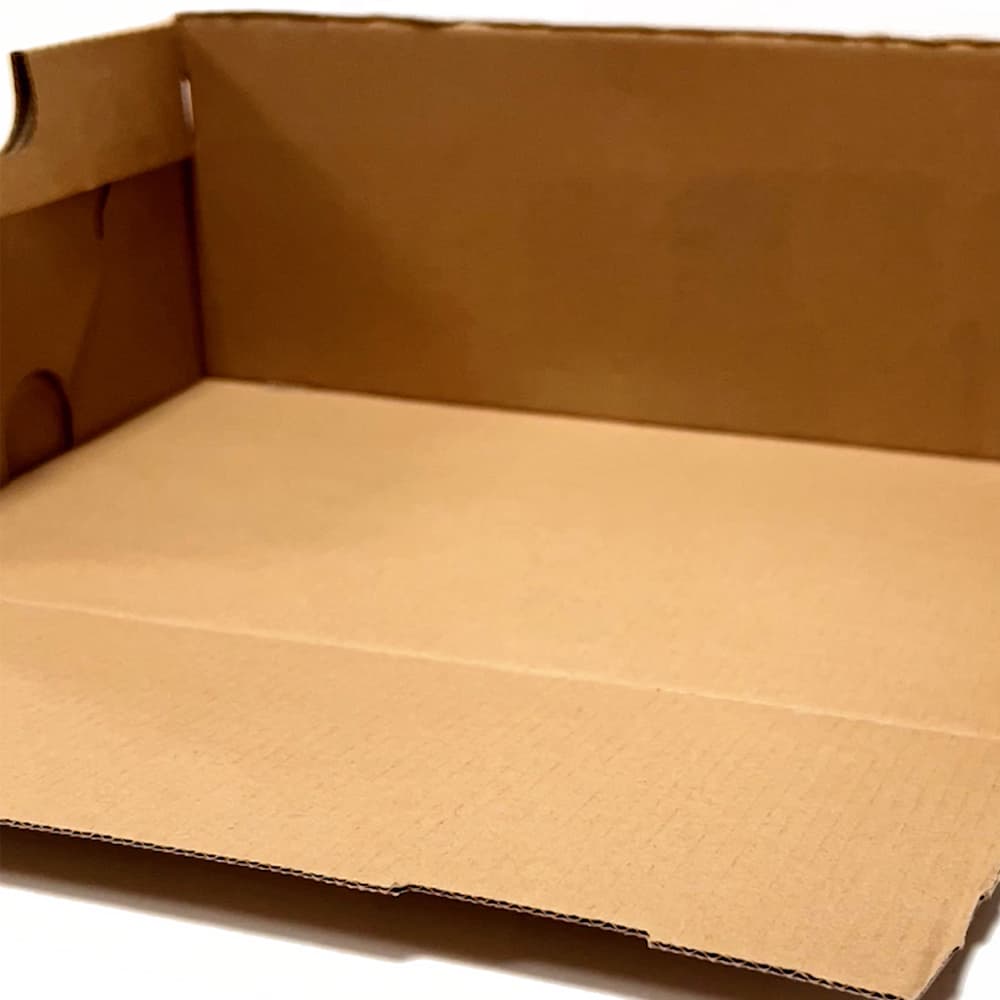
You can build your hibernaculum in a shoebox, clear plastic bin, recycled takeout container, deep tray – anything you have around that will make an excellent building base.
We cut along the front sides of our shoebox and pulled the front down to create a bit of a “window” and make it easier for little hands to move things around, but it’s not necessary.

Filling the bottom of your hibernaculum with a bit of “dirt” is a good way to build the base because it will help hold things in place.
Though you could use real dirt, I recommend some earthy-colored playdough (I used this DIY playdough recipe along with equal parts brown and black gel food coloring. It does a good job of holding everything in place and is much easier to clean up when finished.).
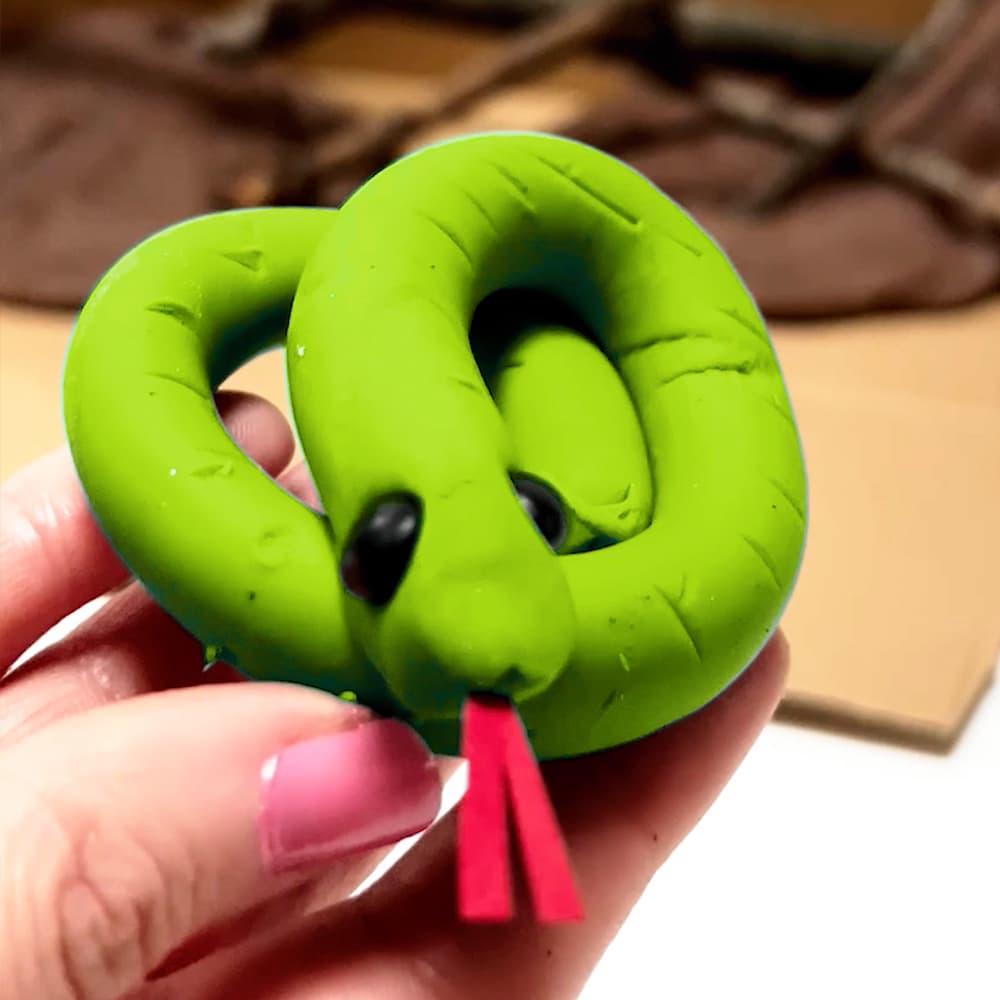
A key detail of your hibernaculum will be the creature (or creatures!) inhabiting the space for winter.
You can create your own as we did (this little snake is playdough rolled into a coil with two dry black bean eyes, and a scrap paper forked tongue). But you can also use miniature play animals (plastic or wooden) or simply cut 2D animals out of paper. I’ve linked to some of the paper insects and other printable animals we have available right here for examples.

Once you’ve added a few inhabitants, you can start building up the layers of your mini hibernaculum using sticks, bark, branch cuttings, rocks, cardboard tubes, and more.
A nice sprinkle of leaves will give your hibernaculum some much-needed insulation – just as in real life.
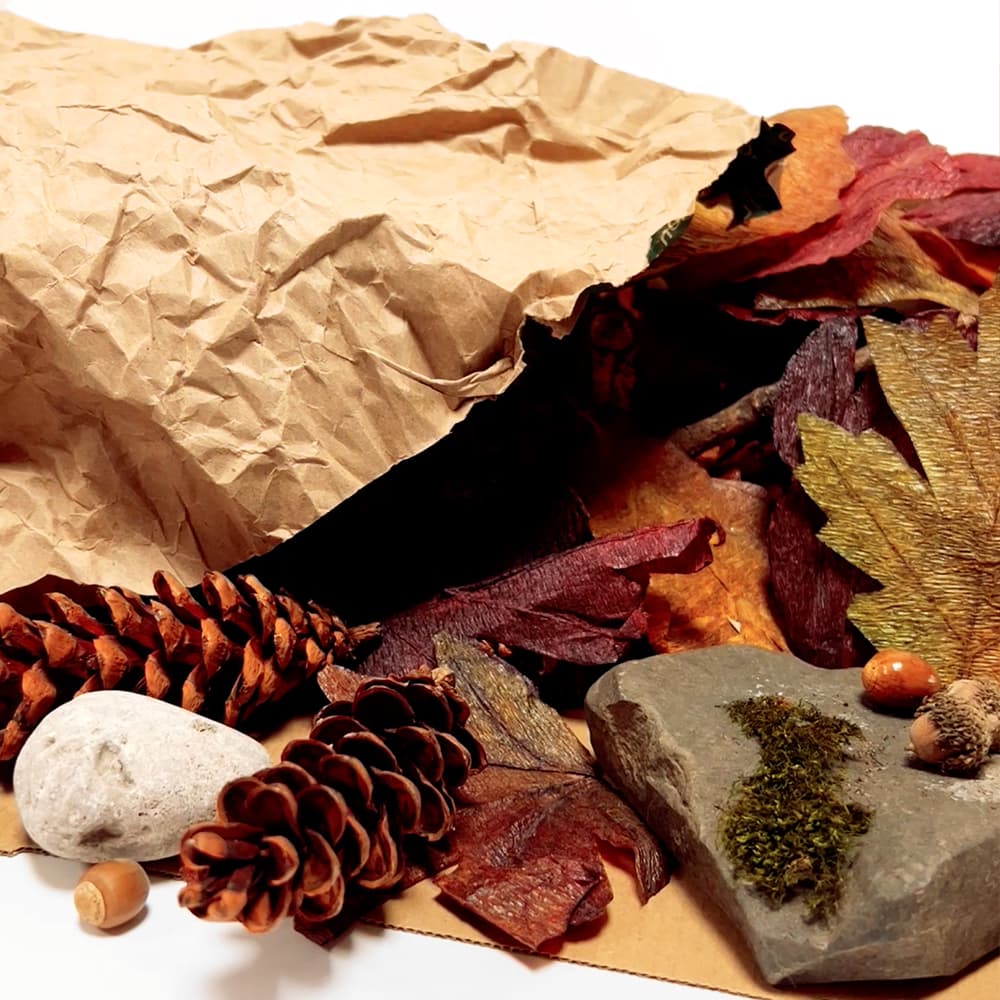
As you would if you were building an actual hibernaculum, cover it with a layer of “dirt” (in this case, it’s a crumpled brown paper bag). You could use tissue paper or felt or anything similar.
Our completed hibernaculum has a couple of added touches (check out those adorable handcrafted paper bag mushrooms!) to make the setup look extra woodsy, ultra inviting, and something kids will be excited to dive into and investigate! You definitely don’t have to add those little bits for this project to be compelling and successful though.

After learning about hibernacula, make your own real hibernaculum in the backyard using this cute video DIY or print out these easy DIY instructions.
Make a larger-than-life-sized hibernation den using BIG cardboard boxes, pillows, and blankets. Kids can play the roles of different species, and you can even use this to entice them to take a short afternoon nap!
This mini hibernaculum is a perfect prop for storytelling. Invite children to come up with stories about the animals they’ve found in the hibernaculum or what happens in the hibernaculum after hibernation.
Set up a spot that kids can use as their hibernation-learning HQ by arranging a few hibernation-learning accessories on a small table or shelf. It can include:
I love using picture books as gateways for learning, play, and art-making or crafts. Here are a few of my favorite hibernation-themed picture books that can help introduce your little ones to the concept.
Note: We prefer to shop locally or use what we have at home, but this list contains Woodpeckers Crafts, Etsy, Blick Art Materials, Bookshop.org and/or Amazon affiliate links for reference. As affiliates (and Amazon Associates), we make a small commission on qualifying purchases.*

Using these for a miniature play setup or on a nature table? Learn how to prep outdoor nature supplies for indoor play (and why it’s important) before you sit down for your next nature play session. For more indoor tabletop nature activities, visit our collection of loose parts leaf play ideas, mini winter sensory garden, or playdough fairy forest.
*A note about affiliate links: We strive to use simple, earth-friendly supplies that can be purchased locally whenever we can, but sometimes we find the best universally available options, a rare eco-friendly find, or a niche product only available on Blick Art Materials, Amazon, Etsy, or Woodpeckers Crafts. When included in our supply list, these products are affiliate links, and if you click through to make a purchase we receive a small commission that helps us re-order these supplies!
GETTING READY TO TRY this?
I love seeing all the ways people make these ideas their own! If you're sharing the results of one of our projects, mention or tag me with @barleyandbirch, or share it in the comments of one of our Pinterest project pins.