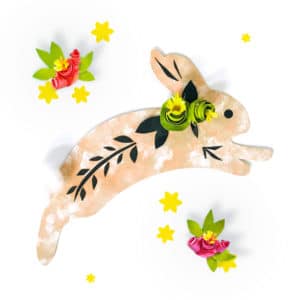
Exploring Play Through Materials
Supporting Creativity with Art, Crafts, and Household Supplies

Hands-on play is a powerful tool for learning, self-expression, and imagination. And what better way to ignite the flame of creativity than by engaging in play with an extraordinary variety of supplies – from more conventional play materials, to others that typically go overlooked or feel too “ordinary” to apply to kids’ play.
Explore the possibilities for creative play through art & craft materials and explore why this style of play (what we unofficially call “tabletop play”) provides children with easy opportunities to experiment and create. From the benefits of using these supplies together for imaginative play, to how children use them to react to the world around them, uncover the magic that happens when artistry and curiosity collide.
Why Explore Play Through Materials?
When kids engage in creative play with art, craft, household, and toy supplies, they’re being given room to explore in a unique way.
Experts in early childhood education continue to emphasize the vital role materials play in stimulating a child’s imagination and creativity. By providing a wide range of supplies, kids are encouraged to explore various textures, colors, and mediums, opening up a world of possibilities for them to experiment, invent, and create with.
When children are given the freedom to explore materials and express themselves, they often experience a sense of joy, curiosity, and personal satisfaction. Like adding fuel to a fire, these positive feelings have the power to ignite their creativity and deeply (positively) affect their engagement.
How Kids Use Play Supplies
Children have a natural inclination to use supplies to react to the world around them. Art, craft, household, and toy supplies can all serve as helpful mediums through which they can express their observations, emotions, and interpretations of their environment.
By embracing the benefits of “supply play” (for lack of better term), we can actually help them learn more about themselves, as we learn more about them as well.
Observation and Representation
- Children often use art supplies to observe and represent the people, objects, and scenes they encounter. They may create drawings, paintings, or sculptures that depict their observations or impressions, allowing them to express their unique perspective and develop their visual representation skills.
- If you’ve ever read any of the books by renowned educator and author Sir Ken Robinson, you’ll notice how often he highlights that through art, children can communicate their understanding of the world. Whether it’s through drawing, dancing, or making music, art provides a powerful avenue for children to make their thoughts and experiences visible.
Emotional Expression
- Children frequently use art supplies to express their emotions and experiences. They might choose colors, shapes, and materials that reflect their feelings, allowing them to communicate what they might struggle to express verbally. This emotional release is vital for their well-being, helping them develop emotional intelligence.
- Backing up this point, Dr. Cathy Malchiodi, an art therapist and author, emphasizes that art can be a healthy vehicle for emotional expression. Through art, children can externalize their emotions, gain insights into their feelings, and find comfort and healing (Malchiodi, 1998).
Imagination and Storytelling
- Art supplies provide children with tools to bring their imagination to life. They create narratives, stories, and imaginary worlds through drawings, paintings, and mixed-media projects. These creations provide a wonderful way to explore their creativity, invent characters, and engage in storytelling.
Problem-Solving and Exploration
- Kids often use supplies to experiment, problem-solve, and explore the possibilities of different materials. They may combine various art and play supplies to create innovative solutions to a problem or manipulate materials to understand their properties and potential uses.
How Experimentation with Objects Sparks Creativity
Like adults, older children often bring predetermined ideas about the use and purpose of objects to play scenarios. However, when encouraged to experiment and think outside the box, these predetermined ideas can give way to incredible bursts of creativity. The process of experimenting with objects and materials enables kids to explore their imagination, challenge assumptions, and develop unique perspectives.
When given opportunities to explore, make mistakes, and discover unexpected solutions, kids can question and test their assumptions, leading to novel and imaginative outcomes.
Dr. Peter Gray, a psychologist and expert in play, emphasizes that experimentation with objects fosters problem-solving skills. As children manipulate and interact with materials, they learn cause-and-effect relationships, develop critical thinking abilities, and gain a deeper understanding of how the world works. Through experimentation, children become active agents in their learning process, building confidence and resilience in their creative pursuits.
By embracing experimentation, we allow children to break free from preconceived notions and explore the vast possibilities that materials offer. Encouraging open-ended play and providing a range of objects and materials create an environment where children can freely experiment, take risks, and develop their unique creative voices.
Embracing Imagination With Compelling Supplies
When compiling supplies for creative play, it’s important to embrace imagination and think beyond conventional uses.
Including materials that can be transformed, combined, and repurposed in various ways, empowers kids to develop their creativity and innovation.
By exposing kids to different sources of supply inspiration, we can nurture their creativity, broaden their artistic horizons, and help them see the various ways material can be used. Here are some ways you can gather inspiration:
- Artists and Art Movements: Introduce children to the works of famous artists and art movements. Exposing them to diverse artistic styles, techniques, and ideas expands their visual vocabulary and inspires them to explore new artistic avenues.
- Nature and the Outdoors: Encourage children to observe and explore nature. Take them on nature walks, visit gardens, or go on outdoor adventures. Nature offers a wealth of inspiration through its colors, shapes, patterns, and textures, which can be incorporated into artwork, small worlds, constructions, or play scenarios.
- Books and Literature: Read books that showcase artists and their processes, creativity, and imaginative worlds.
- Cultural Diversity: Introduce children to diverse cultures and their artistic traditions. Explore artwork from different countries, learn about traditional crafts, and celebrate the beauty of cultural diversity. This exposure broadens children’s perspectives, encourages them to appreciate various art forms, and inspires them to incorporate elements from different cultures into their own creative play.
- Museums and Exhibitions: Take children to art museums, galleries, and exhibitions. Experiencing art firsthand allows them to see the vast array of artistic possibilities. Museums often offer interactive exhibits and workshops designed specifically for kids, providing a hands-on and immersive artistic experience.
- Collaboration and Discussion: Engage in conversations with children about their interests, ideas, and experiences. By actively listening and discussing their thoughts, we can better understand their creative aspirations and provide tailored inspiration.
Incorporating recycled, household, and nature supplies into creative play is a fantastic way to fuel imagination. By repurposing everyday objects, we teach children to appreciate the value of resources, think creatively about waste reduction, embrace environmentally friendly practices, and innovate!
And you don’t have to take our word for it. Richard Louv, author of the wonderful Last Child in the Woods, has spent decades writing about the importance of reconnecting children with nature and encouraging eco-friendly practices.
The use of recycled and natural materials encourages children to think creatively and problem-solve, learning to see the potential in items that might otherwise be discarded or ignored.
And environmental psychologist Dr. Susan Clayton highlights this positive impact of engaging children in eco-friendly play: cultivating an environmental consciousness in children can establish a lifelong dedication to preserving and connecting with nature (Clayton, Myers, 2015).
As a bonus, using recycled and household supplies is also cost-effective. Art materials can be unbelievably expensive, and by taking advantage of items already available in the home or community, we make creative play more accessible to all children.
Supply Idea List: A PLAY Materials PRIMER
When it comes to play supplies, the possibilities are limitless. Here are ten categories of supplies that can be used to inspire imaginative exploration and artistic expression. By providing even just a small range of materials from these categories, you open up a world of imaginative possibilities.
And a quick note: Remember to supervise children closely and ensure that the supplies used are age-appropriate and safe for their use.
Guided vs. Self-Guided Creation
When it comes to creative play through art and supply exploration, there are different approaches to consider. Guided creation and child-led, or self-guided creation, are two distinct paths that offer unique benefits and experiences. Both approaches are valuable to creativity and can be utilized based on the desired outcomes and the child’s developmental stage and interests.
By understanding the key attributes of these approaches, we can create environments that support children’s artistic growth and cater to their individual needs.
Guided Creation
Self-Guided Creation
Children Who May Benefit from Guided Creation
Children Who May Benefit from Self-Guided Creation
Nurturing Self-Guided Creation
Along with sensory play which we explored in stop #1 on the Creative Play Path, loose parts play and process art both offer wonderful avenues for both guided and self-guided creation. These approaches provide a playful and open-ended framework for artistic exploration, fostering a connection that goes beyond the realm of assignments or structured activities.
Engaging in loose parts play and process art not only nurtures children’s creativity but also strengthens the bond between parents and their little ones. By participating in these self-giuded activities, parents have the opportunity to hop into the world of play alongside their kids, creating shared memories and fostering a sense of connection and understanding.
They also provide a break from the demands of daily routines and offer a chance for both kids and parents to immerse themselves in playful exploration.
In loose parts play, kids are encouraged to freely manipulate and combine a variety of open-ended materials. From natural elements like rocks and sticks to household items like bottle caps and fabric scraps, the possibilities are endless. This form of play invites children to follow their instincts, experiment, and invent without limitations.
As parents or educators, when you engage in loose parts play with your children or students, you have an opportunity to become co-creators, making shared discoveries along the way.

Color Collections for Kids

Loose Parts Leaf Play

Play Hibernaculums

Playdough Turtle Play

Mouse Mail

DIY Bee Baths

Fall Loose Parts Play

Fairy Playdough Play
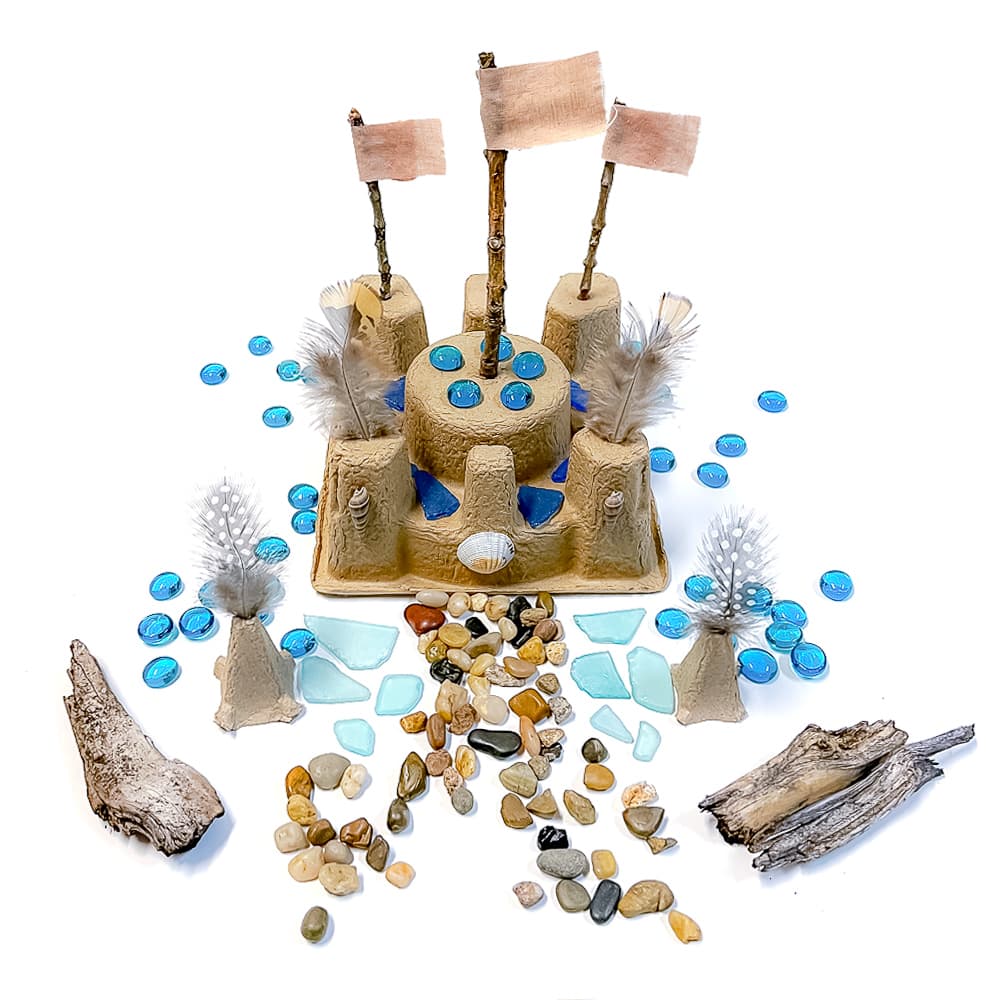
Loose Parts Sandcastles
Much like loose parts play, process art emphasizes the creative journey rather than focusing solely on the final product. This approach allows children to explore different materials, techniques, and ideas, encouraging self-expression and personal interpretation. By removing the pressure of specific outcomes, both kids and parents can engage in the process with a sense of freedom and curiosity.
Process art offers a free space where mistakes are celebrated and experimentation is encouraged!

Kids Nature Process Art

Process Art Play Tiles
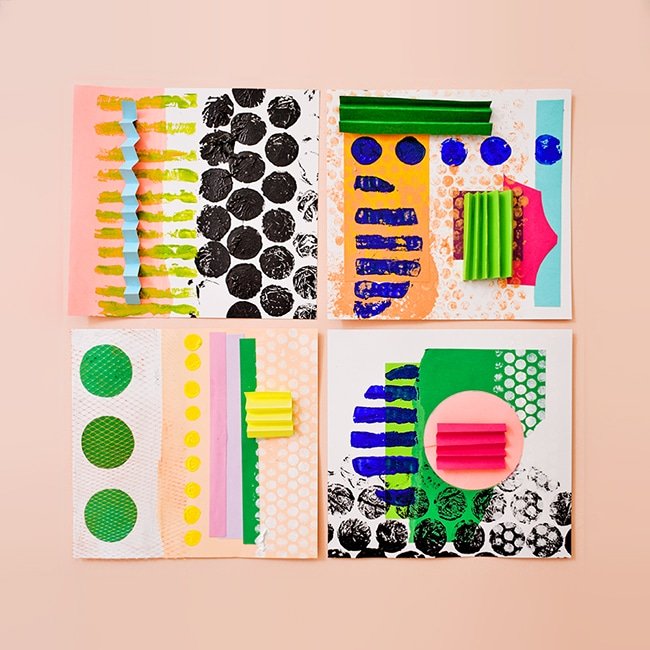
Scrap Stamp Collages

A Kids Color Exercise

Kids Process Art Lab

3D Paper Sculptures

Paper Shape Process Art

Scribble Art Collages

Kids Firework Paintings
Fostering Connection through Guided Creation
Step-by-step art and craft projects provide a fun avenue for guided creation. Whether it’s painting, collage-making, or creating handcrafted treasures, these projects offer step-by-step instructions and a sense of structure.
This structure doesn’t inhibit playfulness; instead, it provides a framework that encourages creativity within defined boundaries. Children and parents can embrace the joy of working together, sharing ideas, and celebrating the outcomes.
Guided Creation Through Art and Craft Activities
Through guided creation, children learn new processes, gain confidence in their abilities, and develop problem-solving and decision-making skills.
By embracing step-by-step art and craft projects as a form of guided creation, both kids and parents can engage in playful craft-making together that feels enjoyable and collaborative rather than a rigid assignment.

Kids Tree Frog Art

Reversible City Art

Paper Mache Food Art

Chameleon Art for Kids

Paper Bag Ice Cream Art

Kids Bison Art Project

Unicorn Scratch Art

Torn Paper Landscapes

Surf Scrape Paintings

DIY Kids Lantern Craft

Birds Nest Helper Craft

DIY Rainbow Pillow Craft

Farm Market Tote Craft

Paper Sparklers Craft

Paper Bag Mushrooms

Birdfeeder Craft for Kids

Seashell Necklace Craft
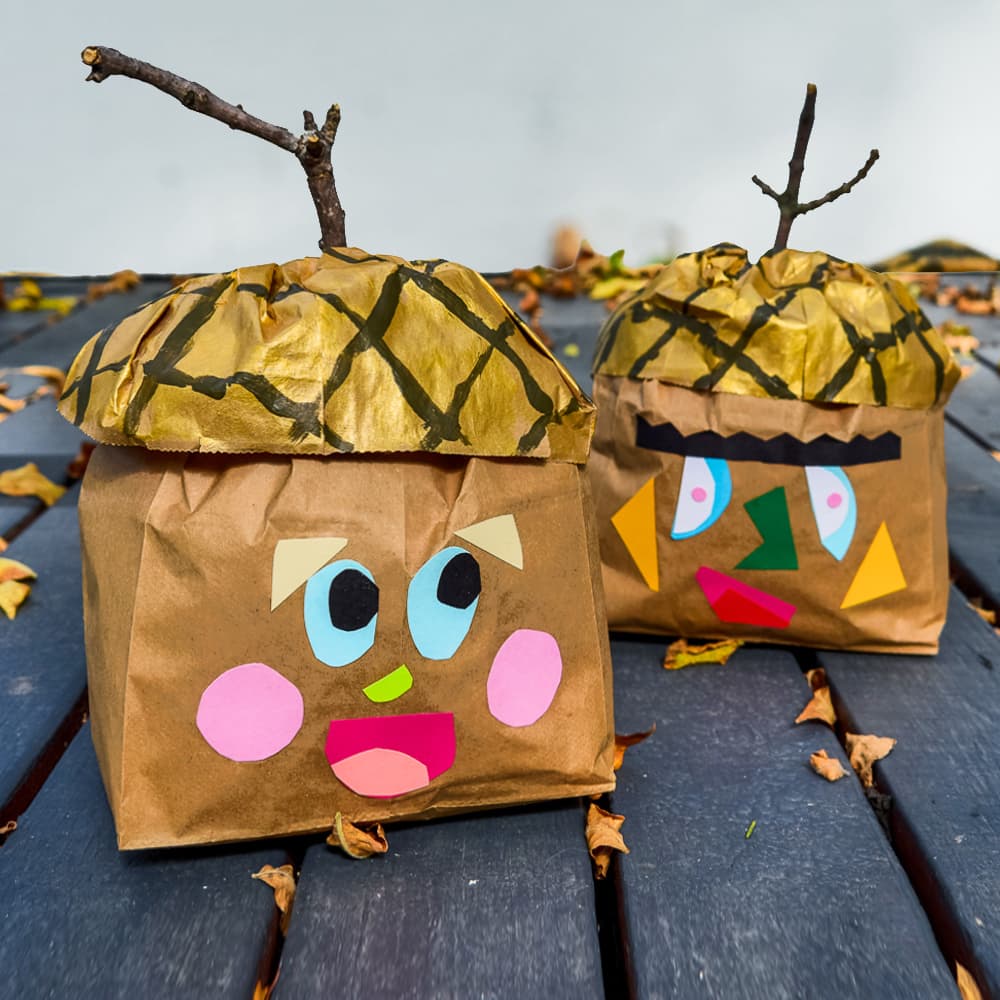
Paper Bag Acorn Craft